Architecture and interior design are about more than walls, floors, and furnishings. The materials, finishes, colors, graphics, and details within a space all contribute to how people experience it. Vinyl film gives architects, interior designers, sign professionals, and facility managers another versatile tool for bringing those environments to life.
From decorative glass and wall graphics to surface finishes and wayfinding, vinyl films can change the appearance and function of a space without the expense or disruption associated with replacing many existing architectural elements. With options ranging from subtle and sophisticated to bold and highly branded, vinyl can play a role throughout corporate, hospitality, retail, healthcare, education, residential, and other environments.
Give Glass a New Perspective
Glass is a defining feature of contemporary architecture, but sometimes an open view isn’t ideal.
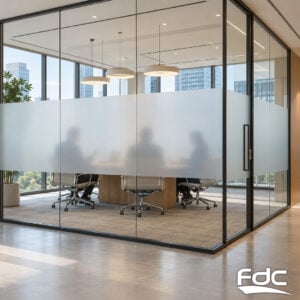
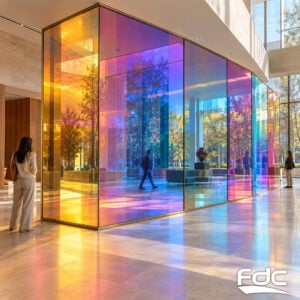
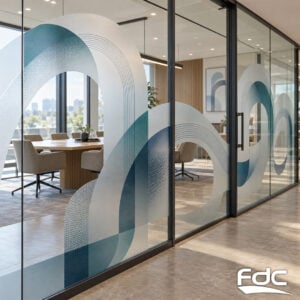
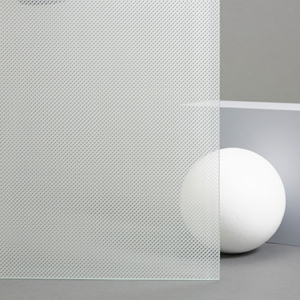
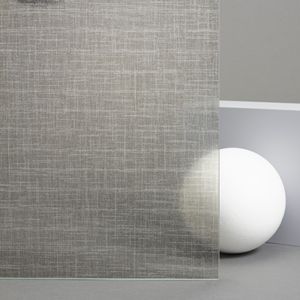
Decorative and specialty vinyl films can add privacy and visual interest to glass doors, windows, conference rooms, office partitions, and other interior glass surfaces. Frosted and etched-effect films can create the appearance of specialty glass while allowing designers to incorporate patterns, gradients, logos, or custom-cut elements.
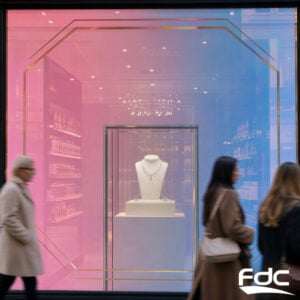
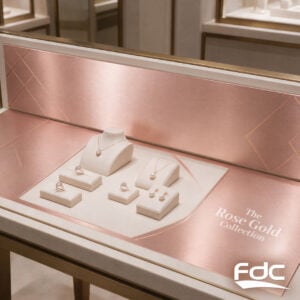
In a corporate environment, frosted graphics can provide privacy for a conference room while reinforcing the company’s brand. A hotel or restaurant can use decorative glass films to define spaces while maintaining an open feel. Retailers can incorporate specialty finishes into partitions and displays to complement the overall interior design.
Vinyl allows glass to become part of the design rather than simply a transparent divider.
Turn Walls Into Design Features
Walls offer some of the largest surfaces in an interior environment—and vinyl graphics can make them anything but ordinary.
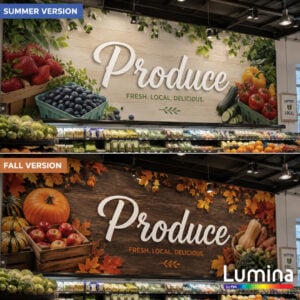
Large-format printed wall graphics can introduce photography, illustrations, patterns, textures, or branded artwork into a space. A corporate office might feature a mural illustrating the company’s history. A healthcare facility could incorporate calming nature imagery. A school might transform a hallway with colorful educational graphics, while a hotel could use custom artwork to give different areas their own identity.
Cut vinyl lettering and graphics can also add quotes, branding, room identification, or decorative details without covering the entire wall.
Depending on the application, removable films can provide additional flexibility for spaces that change regularly.
Refresh Existing Surfaces
Renovating an interior doesn’t always have to mean removing and replacing what’s already there.
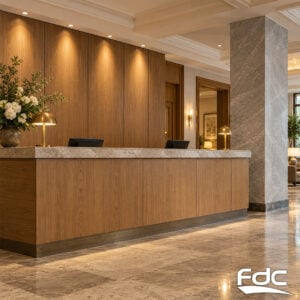
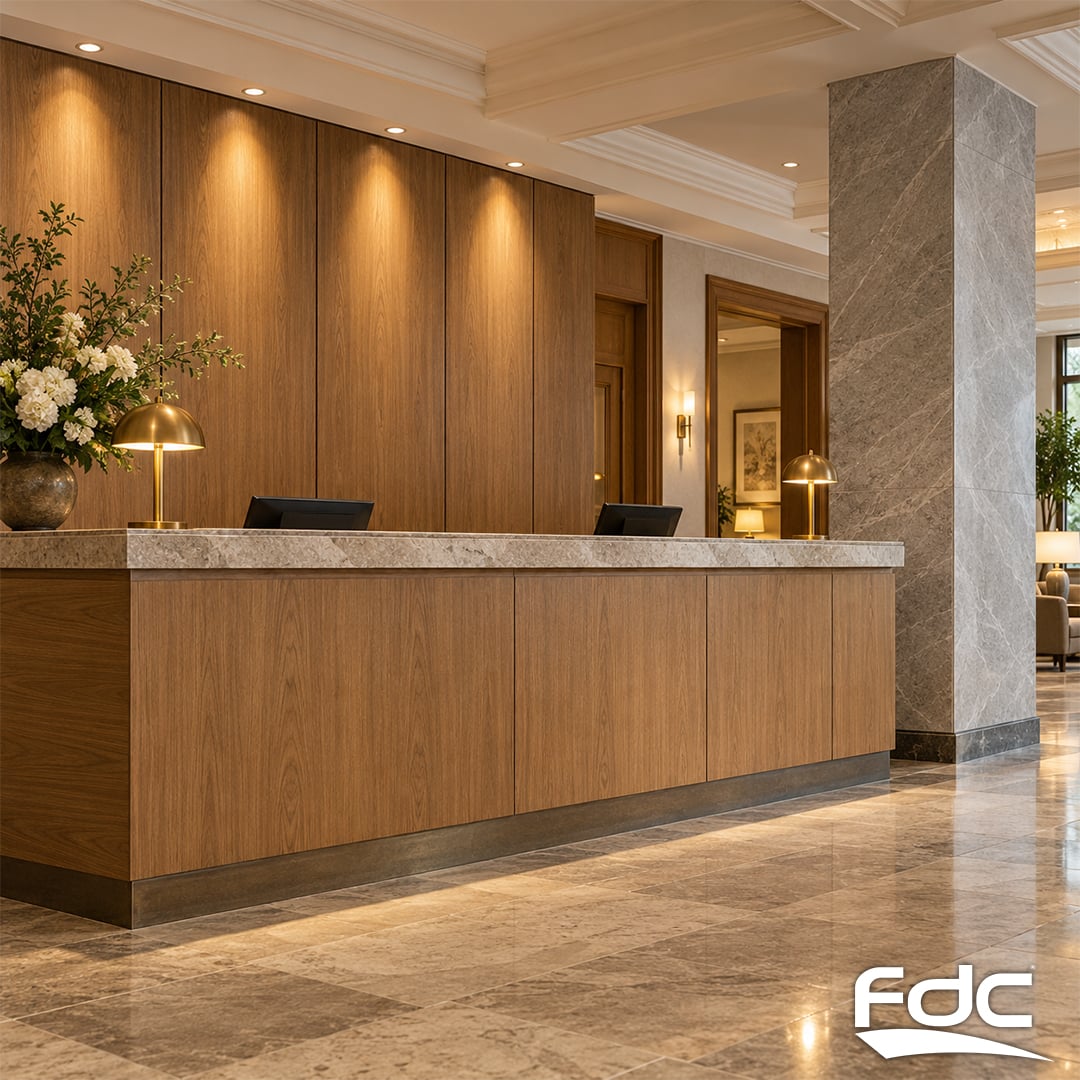
Architectural surface films can change the appearance of compatible walls, doors, panels, cabinetry, counters, columns, and other surfaces. Depending on the film, designers can introduce the appearance of wood, stone, metal, textile, or other finishes while working with an existing substrate.
This can be especially valuable when updating commercial interiors where minimizing downtime, demolition, and material waste is important.
A dated reception desk, for example, may be given an entirely different aesthetic with an architectural finish. Elevator doors, wall panels, or cabinetry can become coordinated elements of a larger design concept without requiring complete replacement.
Build the Brand Into the Environment
Interior branding helps turn a physical location into a recognizable experience.
Vinyl graphics can carry brand colors, imagery, logos, messaging, and visual themes throughout an environment. Reception areas, meeting rooms, corridors, windows, walls, and other surfaces can work together to reinforce an organization’s identity.
This approach is often referred to as environmental branding or experiential graphic design. Rather than limiting a brand to a logo above the front desk, designers can integrate it throughout the space.
The result can be subtle—such as a repeating pattern on conference room glass—or dramatic, such as a floor-to-ceiling graphic that becomes a focal point.
Help People Find Their Way
Good design should help people understand where they are and where they need to go.
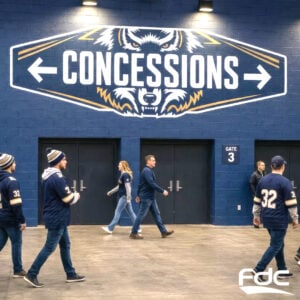
Vinyl film can support wayfinding and identification systems throughout interior spaces. Cut lettering, printed graphics, symbols, arrows, and color-coded elements can help identify departments, rooms, floors, entrances, exits, and destinations.
In a large corporate office, different colors or graphic themes might identify individual departments. Healthcare facilities can use coordinated visual cues to make complex environments easier to navigate. Hotels, schools, shopping centers, and entertainment venues can incorporate wayfinding elements that complement the architecture rather than appearing as an afterthought.
While accessibility and building-code requirements must always be considered separately, vinyl graphics can be an effective component of a broader signage and wayfinding program.
Design for Change
One of vinyl film’s greatest advantages is its ability to help a space evolve.
Businesses rebrand. Tenants change. Interior trends shift. New campaigns launch. Facilities expand. What works for an environment today may not be what it needs several years—or even several months—from now.
Depending on the product and application, vinyl graphics and decorative films can provide a way to update portions of an environment without redesigning the entire space.
That flexibility makes vinyl especially useful for leased spaces, frequently refreshed environments, seasonal installations, temporary exhibits, and organizations whose visual identity continues to evolve.
See the Possibilities in Every Surface
Vinyl film sits at an interesting intersection of graphics, materials, and interior design. It can add privacy to glass, transform a wall, refresh an existing finish, reinforce a brand, guide visitors, or simply make an environment more visually engaging.
And because different films are engineered for different substrates, applications, finishes, and expected service lives, selecting the right product is an important part of achieving the desired result.
For architects, interior designers, sign professionals, and their clients, that creates an expansive palette of possibilities.
Sometimes transforming a space doesn’t require rebuilding it. It simply requires seeing its surfaces differently.
Lumina® by FDC 3522 • Lumina® by FDC 4200 • Lumina® by FDC 4301 • Lumina® by FDC 7335 • 3M™ DI-NOC™ Architectural Finishes: Quick Ship Patterns • 3M™ DICHROIC Glass Finishes (FDC 1408) • 3M™ FASARA™ Glass Finishes (FDC 1400, 1401, 1402, 1403, 1404, 1405, 1406, 1424) • 3M™ IJ8624 (FDC 7113) • ASLAN® DFL 300 (FDC 7292) • ASLAN® SE 77 (FDC 7294) • VinylEfx® by Nekoosa Fine Brush (FDC 2826) • VinylEfx® by Nekoosa Smooth (FDC 2826) • POLI-TAPE® POL-FLEX® IMAGE DIMENSION HTV (FDC DIM) • POLI-TAPE® POL-FLEX® FLAME RETARDANT HTV (FDC FR) • POLI-TAPE® POL-FLEX® PREMIUM HTV (FDC PREM) • POLI-TAPE® POL-FLEX® REFLEX HTV (FDC REF)