A practical comparison for apparel decorators who want more control, consistent quality, and a simpler production path
The garment-decoration conversation has changed
Direct-to-Film (DTF) printing has earned plenty of attention for its ability to produce detailed, full-color transfers without weeding. But “no weeding” does not mean “no tradeoffs.” When you look beyond the headline benefit and consider equipment, maintenance, material compatibility, application settings, durability, and the finished feel of the garment, the right answer becomes much more project-specific.
At FDC Graphic Films, Inc., we distribute POLI-TAPE® products because decorators need dependable options for real production environments—not just the newest technology. POLI-TAPE® heat transfer vinyl (HTV), including POLI-TAPE® POLI-FLEX® TURBO, gives shops a proven way to decorate garments with fewer moving parts, clearly defined application settings, and a wide range of finishes.
HTV vs. DTF – The Short Answer
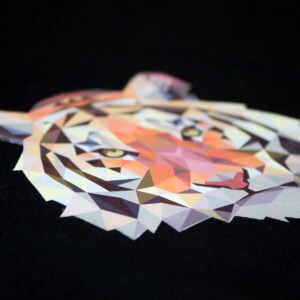
DTF can be useful for certain full-color jobs, but it is not automatically the best choice for every garment-decoration project. POLI-TAPE heat transfer vinyl gives decorators a streamlined workflow, controlled material performance, low-temperature/fast-press options, durable finishes, strong opacity, and specialty effects without requiring the full printer-shaker-dryer setup associated with in-house DTF production.
More control, fewer variables
A standard CAD-cut POLI-TAPE® POLI-FLEX® workflow is straightforward: cut, weed, and press. There is no print system required for standard POLI-FLEX®, and the film, adhesive, and liner are engineered as one product system. That means the transfer settings and fabric compatibility are established by the manufacturer rather than dependent on a mix of printer, ink, film, and powder combinations.
By comparison, an in-house DTF workflow can involve a printer, ink, film, adhesive powder, shaker, dryer or curing unit, and heat press. Each component has to work with the others, and a problem in one part of the chain can affect the final transfer.
For production teams, fewer variables can mean easier troubleshooting, more repeatable output, and less time spent chasing compatibility issues.
A simpler equipment path can mean a smaller investment
For many sign and graphics shops, HTV is an easy extension of equipment they may already own. CAD POLI-TAPE® POLI-FLEX® requires a plotter and heat press, while printable POLI-TAPE® films add a compatible printer to the workflow. The process stays familiar: print or cut, weed, and press.
In-house DTF production typically adds more specialized equipment and environmental considerations. Beyond the printer and heat press, a complete setup can include powder application, curing, fume extraction, and humidity or air-control needs. The advertised cost per transfer may not capture the full cost of hardware, maintenance, startup material loss, and production downtime.
POLI-TAPE® POLI-FLEX® TURBO HTV is built for speed without giving up finish quality
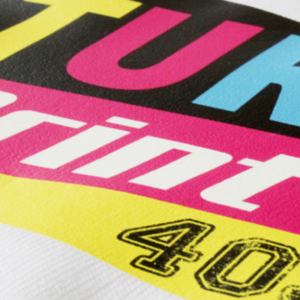
POLI-TAPE® POLI-FLEX® TURBO is designed for fast application at low temperature, with transfer settings as low as 265°F for 5 seconds on suitable textiles. That can be especially useful when working with heat-sensitive garments, including many nylons.
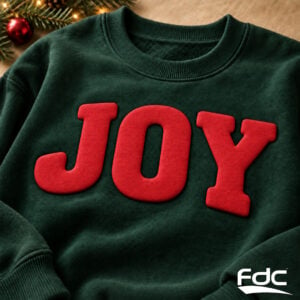
The material also offers a true matte, soft-touch finish, strong opacity on light and dark fabrics, blockout properties, good stretch and rebound, and wash durability up to 60°C. For decorators selling a premium finished garment, the tactile result matters just as much as production speed.
Color, opacity, and special effects are where HTV can really stand out
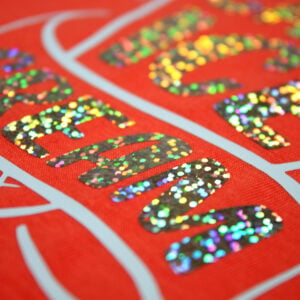
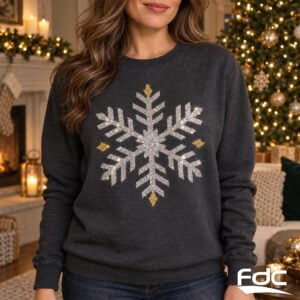
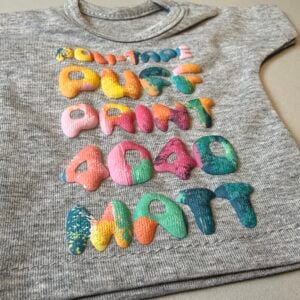
DTF is known for full-color detail, but POLI-TAPE® HTV gives decorators advantages that are harder to replicate with ink alone. POLI-TAPE® POLI-FLEX® TURBO is available in a broad color range with matte, gloss, metallic, and neon finishes, and POLI-TAPE® can support color-matching needs for select projects. HTV also opens the door to specialty looks such as puff and glitter.
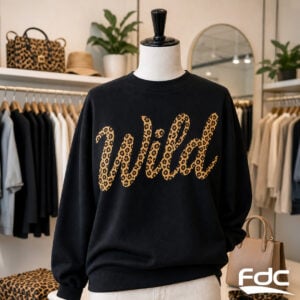
For one- and two-color logos, names, numbers, teamwear, workwear, fashion accents, and other designs where color consistency and finish are part of the value, HTV can deliver a clean, intentional look without requiring a printed transfer.
Think beyond production speed: consider wear, stretch, and care
The fastest production step is not always the most important metric. POLI-TAPE® POLI-FLEX® TURBO is engineered to weed cleanly, hold fine detail, stretch and rebound, and withstand normal garment care, including tumble drying where appropriate. POLI-TAPE’s comparison notes that DTF performance can vary more with ink quality, white-ink levels, adhesive powder, curing, and fabric compatibility.
That makes the garment itself an important part of the decision. Heat sensitivity, stretch, color migration, wash expectations, and the desired hand feel should all be considered before choosing a transfer technology.
Shop environment and process safety belong in the conversation
Standard POLI-TAPE® POLI-FLEX® is a solid-film transfer system with no loose adhesive powder, and POLI-TAPE® identifies its PVC-free product range (with noted exceptions) and OEKO-TEX® STANDARD 100 Class I certification for applicable products. POLI-TAPE® also highlights vegan-certified options.
DTF production, on the other hand, can involve inks, adhesive powder, and a curing process. Shops using DTF should follow the equipment and consumable manufacturers’ requirements for ventilation, personal protective equipment, and safe handling. For businesses evaluating a new production method, those facility and operating requirements should be considered alongside speed and unit cost.
So, is HTV better than DTF?
There is no single technology that is best for every garment-decoration job. DTF can make sense for complex, full-color artwork and applications where eliminating weeding is a priority. But for decorators who value a simpler workflow, defined material performance, strong opacity, specialty finishes, low-temperature application, and a premium finished feel, POLI-TAPE® HTV remains a compelling choice.
The better question is not, “What technology is newest?” It is, “What process gives this job the best combination of quality, efficiency, and repeatability?” For many everyday apparel applications, POLI-TAPE® POLI-FLEX® and other POLI-TAPE® heat transfer films deserve to be part of that answer.
POLI-TAPE® HTV vs. in-house DTF at a glance
CORE WORKFLOW
- POLI-TAPE® HTV: Cut, weed, and press. Printable POLI-TAPE® films add printing and cutting to the process.
- DTF: Print, apply powder, cure, and press.
EQUIPMENT
- POLI-TAPE® HTV: A plotter and heat press for CAD films, with a printer added for printable films.
- DTF: Typically requires a printer, powder/shaker system, dryer or curing equipment, and heat press, with additional ventilation considerations.
APPLICATION SPEED
- POLI-TAPE® HTV: POLI-FLEX® TURBO can apply at temperatures as low as 265°F for 5 seconds on suitable textiles.
- DTF: Application and curing requirements vary depending on the transfer system.
FINISH OPTIONS
- POLI-TAPE® HTV: Matte, gloss, metallic, neon, and specialty effects such as puff and glitter.
- DTF: Particularly useful for detailed, full-color printed graphics.
PRODUCTION VARIABLES
- POLI-TAPE® HTV: Film, adhesive, and liner are engineered as an integrated system with defined application settings.
- DTF: Multiple consumables and production components must work together successfully.
BEST FIT
- POLI-TAPE® HTV: Logos, lettering, numbers, teamwear, workwear, spot-color graphics, and applications where finish, opacity, and repeatability matter.
- DTF: Complex, full-color graphics and applications where eliminating weeding is a priority.
Ready to rethink the default DTF answer?
Talk with FDC Graphic Films, Inc. about POLI-TAPE® heat transfer vinyl film solutions for your next apparel-decoration project. We can help you choose the right film for the fabric, finish, and production requirements—so you can spend less time troubleshooting and more time producing.
CONTACT AN FDC REGIONAL SALES MANAGER
EXPLORE ALL POLI-TAPE® PRODUCTS
FAQs
Is heat transfer vinyl still relevant with DTF available?
Yes. HTV remains highly relevant when decorators want a simple cut-and-press workflow, reliable spot colors, strong opacity, specialty effects, low-temperature application options, and a premium finish.
Does POLI-TAPE® POLI-FLEX® TURBO® HTV require a printer?
No. Standard POLI-TAPE® POLI-FLEX® TURBO HTV is a cuttable heat transfer vinyl, so a printer is not required. A plotter and heat press are the core equipment for CAD-cut applications.
What temperature does POLI-TAPE® POLI-FLEX® TURBO HTV apply at?
POLI-TAPE® lists transfer settings as low as 265°F for 5 seconds on suitable textiles. Always follow the current product technical data sheet for the specific garment and application.
Can POLI-TAPE® POLI-FLEX® TURBO HTV be used on heat-sensitive fabrics?
POLI-TAPE® POLI-FLEX® TURBO HTV is designed for low-temperature, fast application and is suitable for many heat-sensitive textiles, including many nylons. Fabric testing is still recommended.
When does DTF make sense?
DTF can be a strong option for complex, full-color designs and jobs where avoiding weeding is especially valuable. The right process depends on the artwork, garment, production volume, equipment, and required finish.
Where can I buy POLI-TAPE® products?
FDC Graphic Films, Inc. distributes POLI-TAPE® products exclusively through FDC Authorized Distributors across the U.S. and Canada, serving professional sign, graphics, and apparel-decoration customers. Contact FDC for product selection, availability, and application support. One of our Regional Sales Managers may connect you with your nearest distributor to purchase from.
POLI-TAPE® POLI-FLEX® TURBO® HTV (FDC TUR) • POLI-TAPE® POLI-FLEX® PREMIUM HTV (FDC PREM) • POLI-TAPE® POLI-FLEX® NYLON HTV (FDC NYL) • POLI-TAPE® POLI-FLEX® PUFF HTV (FDC PUF) • POLI-TAPE® POLI-FLEX® BLOCKOUT SOFT HTV (FDC BO) • POLI-TAPE® POLI-FLEX® REFLEX HTV (FDC REF) • POLI-TAPE® POLI-FLEX® FLAME RETARDANT HTV (FDC FR) • POLI-TAPE® POLI-FLEX® PEARL GLITTER HTV (FDC PGLT) • POLI-TAPE® POLI-FLEX® IMAGE CARBON HTV (FDC CAR) • POLI-TAPE® POLI-FLEX® IMAGE DESIGN HTV (FDC DES) • POLI-TAPE® POLI-FLEX® IMAGE DIMENSION HTV (FDC DIM) • POLI-TAPE® POLI-FLEX® IMAGE GLITTER HTV (FDC IMG) • POLI-TAPE® POLI-FLEX® IMAGE LUMINOUS HTV (FDC LUM) • POLI-TAPE® POLI-FLEX® MIRROR HTV (FDC MIR) • POLI-TAPE® POLI-FLEX® IMAGE STARFLEX HTV (FDC STAR) • POLI-TAPE® POLI-FLOCK® TUBITHERM® HTV (FDC FLK) • POLI-TAPE® TURBO PRINT Printable HTV (FDC TPRT) • POLI-TAPE® FLEXPRINT Printable HTV (FDC FPRT) • POLI-TAPE® PUFFPRINT Printable HTV (FDC PPRT) • POLI-TAPE® NYLONPRINT Printable HTV (FDC NPRT) • POLI-TAPE® POLI-TACK Transfer Tape (FDC TAPE) • POLI-TAPE® THERMO-TAPE 840T Transfer Tape (FDC TAPE)